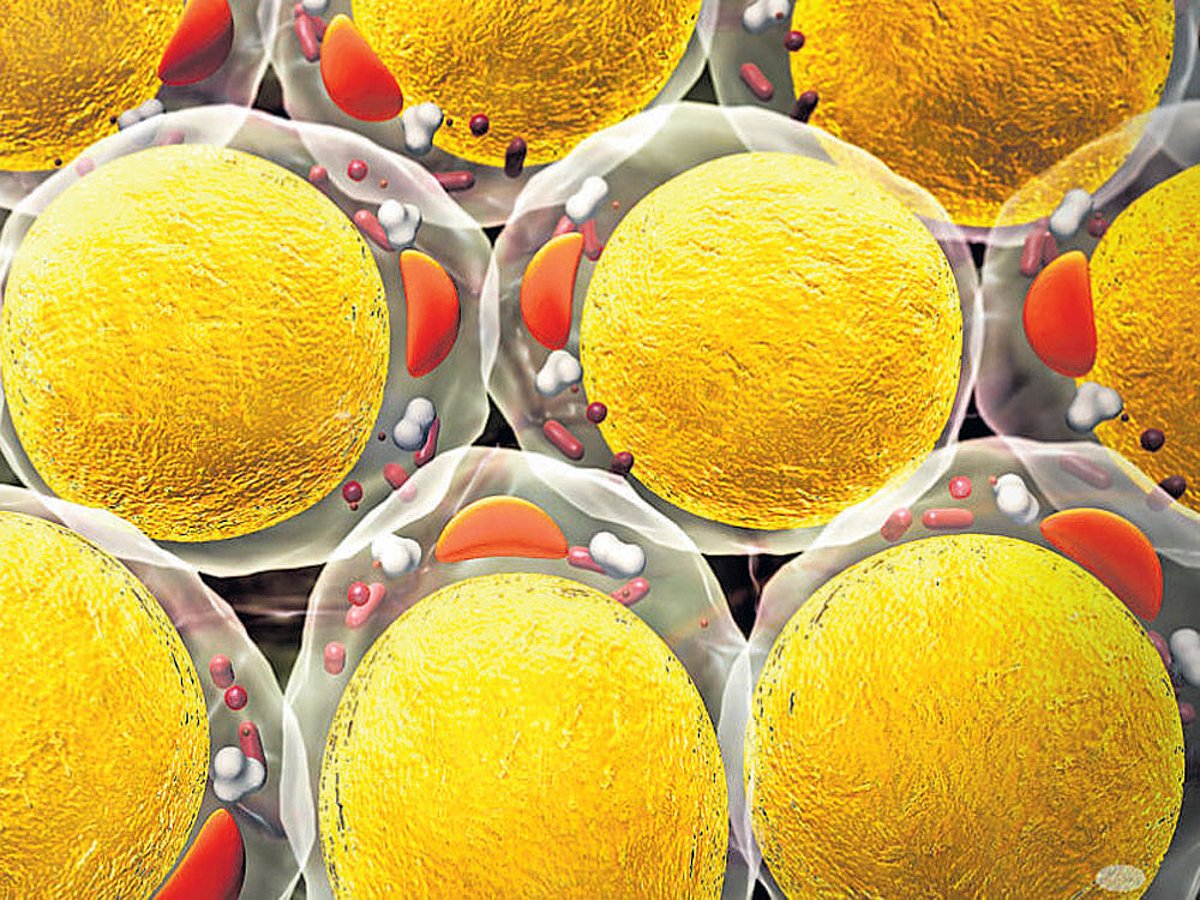
Fat Cells: Battleground For Unwanted Weight Gain! Fat Burning Blog Dr Tague's Center For Nourishment Kansas City & Topeka
In mix with the various other adaptations in this homeostatic system, these changes in fats offer a considerable difficulty for effective weight reduction maintenance. Fat burning stirs up the body's defence system in a fashion that is persistent, saturated with redundancies and well-focused on the objective of restoring the body's depleted power gets. Effective, long-lasting weight reduction needs recognition of the strength and perseverance of these organic pressures and a much better understanding of how they may be responded to with environmental, behavioural and pharmaceutical interventions. Fats and, more specifically, the adipocytes may supply an essential target for developing treatments, offered their critical role in the adaptive action. To be effective, treatments targeted at preventing weight regain will likely require to be as detailed, persistent and repetitive as the biological adjustments they are trying to respond to.Numbers That Matter As High As Your Weight
- You need to have excellent routines- workout and eating- in place.The reduction in cell dimension and the loss of complete fat mass, as a result, may add individually to the decrease in leptin and insulin.In those cases, a fat-focused therapy might just partly deal with the issue.Evaluating adipogenesis ability, we found that the SVF from epiAT of HC and HHC computer mice collected lipids in response to insulin however stopped working to separate, unlike controls (Extended Information Fig. 10b).
We described enhancers that gained (and maintained) H3K4me1 in obesity and WL 'new enhancers'. Most of these 'new enhancers' were also active (that is, noted by H3K27ac) during obesity and/or WL (Fig. 4d). We then annotated the enhancers to Click here for more their closest gene and executed a GSEA. Affirming these results, Roh et al. had actually analysed H3K27ac in adipocytes of overweight mice and reported damaged identity maintenance throughout obesity25.
You Need Calories
Collectively, these neuroendocrine modifications can act upon adipose tissues to impact the dimension and variety of resident adipocytes (Fig. 2). Various other studies indicate that both preadipocytes and adipocytes are responsive to Thyroid Boosting Hormone (TSH) and thyroid hormones in a comparable style (76-- 80). Both the SNS and thyroid hormones have repressive impacts on preadipocyte proliferation and stimulatory effects on preadipocyte differentiation. As such, a decrease in SNS tone and thyroid axis activity throughout weight upkeep may offer permissive problems for preadipocyte spreading, while the reversal of these neuroendocrine inputs throughout weight restore might underlie the hyperplasia. While these neuroendocrine inputs offer a probable explanation for both metabolic and cellularity adjustments with weight management and regain, their actual payment to the adaptive reaction in adipose tissues calls for further study.
Most of these items only diminish water or caffeine you assume you are leaner. The real "fat burner" is a well-fed metabolism that originates from stamina training, sleep, and great nutrition. So what takes place when you go off your strategy or go back to old habits? Those very same cells are sitting there like vacuum-sealed bags, ready for the next energy excess. The minute you start eating more than you shed, they start loading back up, sometimes even faster than in the past.Seclusion Of Nuclei From Mouse Tissue